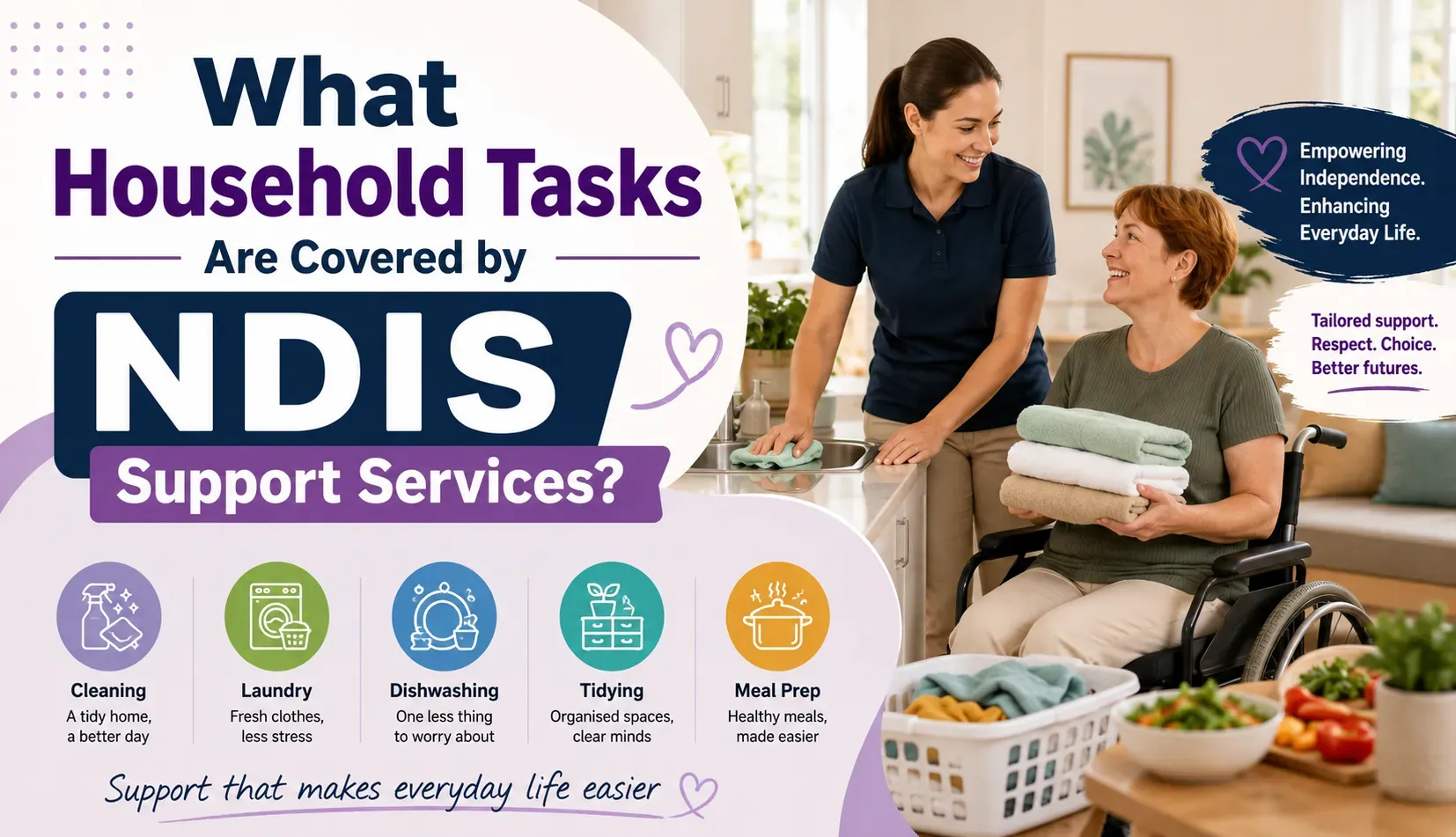
Keeping a home clean, safe, and organised is important for daily living. However, for many people with disability, household tasks can be hard to manage without support. Simple jobs like cleaning the kitchen, washing clothes, preparing meals, or changing bed sheets may take extra time, energy, or physical effort.
The National Disability Insurance Scheme, known as the NDIS, can help eligible participants with daily living support when these tasks relate to their disability needs. For people living in Queensland, ndis household tasks Brisbane support can make home life easier, safer, and more comfortable.
This blog explains what household tasks may be covered by NDIS support services, how the support works, and why choosing the right provider matters.
Understanding NDIS Household Support
NDIS support services help participants build independence and manage daily life with more confidence. These supports do not replace normal household responsibilities for everyone. Instead, they assist people who cannot complete certain tasks because of their disability.
NDIS Household Tasks may include cleaning, laundry, meal preparation, basic home organisation, and other essential daily activities. The goal is to support the participant’s health, safety, and independence at home.
For many families and participants, ndis household tasks Brisbane services provide practical help that improves everyday living. This support can reduce stress, support routines, and make the home a better place to live.
Why Household Tasks Matter for NDIS Participants
A clean and organised home is more than just a nice space. It supports health, safety, comfort, and independence. When household tasks become too difficult, daily life can feel overwhelming.
For example, dirty floors may increase the risk of slips. Unwashed dishes may create hygiene issues. Piles of laundry may make it hard to find clean clothes. Poor meal preparation may affect nutrition and wellbeing.
With the right support, participants can live in a safer and more stable home environment. NDIS Household Tasks support also gives participants more time and energy to focus on personal goals, community participation, study, work, or social life.
Common Household Tasks Covered by NDIS Support
The tasks covered by the NDIS can vary based on the participant’s plan, goals, disability needs, and support budget. Not every task is automatically covered. The support must be reasonable, necessary, and related to the participant’s disability.
Below are common household tasks that may be included.
1. General House Cleaning
General cleaning is one of the most common types of household support. This may include vacuuming, mopping, dusting, wiping benches, cleaning bathrooms, and keeping shared areas tidy.
For participants who cannot clean safely or regularly because of mobility, pain, fatigue, or other disability-related needs, this support can be very helpful.
In many cases, ndis household tasks Brisbane providers can create a simple cleaning routine that suits the participant’s home, comfort level, and daily needs.
2. Kitchen Cleaning
The kitchen is used every day, so it needs regular care. NDIS household support may include washing dishes, wiping kitchen surfaces, cleaning the sink, taking out rubbish, and helping keep the area hygienic.
A clean kitchen helps reduce health risks and makes meal preparation easier. For participants who need help with food safety and hygiene, this type of support can make a big difference.
3. Laundry and Washing
Laundry can be hard for people who have limited movement, low energy, pain, or difficulty with standing and bending. NDIS Household Tasks may include washing clothes, drying clothes, folding laundry, ironing basic items, and putting clothes away.
Clean clothing and bedding are important for dignity, comfort, and personal hygiene. Support workers can help participants keep up with laundry in a simple and respectful way.
4. Changing Bed Linen
Changing sheets, pillowcases, and blankets can be physically difficult. It may involve lifting, bending, stretching, and moving around the bed. NDIS household support may include changing bed linen and helping keep the sleeping area clean.
Fresh bedding helps support better rest and personal wellbeing. For people with health or mobility challenges, this small task can have a big impact.
5. Meal Preparation Support
Meal preparation is another important area of support. Depending on the participant’s plan, support may include preparing simple meals, chopping ingredients, organising food, reheating meals, or helping the participant follow a meal routine.
The NDIS may support meal preparation when the need is connected to the person’s disability. This helps participants eat safely and maintain a regular routine.
For people looking for ndis household tasks Brisbane, meal preparation support can be especially useful for building independence at home.
6. Grocery Organisation
The NDIS does not usually pay for everyday groceries because food is a normal living cost. However, support workers may help with organising groceries, unpacking items, checking use-by dates, or placing food in safe storage areas.
This type of assistance can help participants manage the home more easily, especially if they have difficulty with planning, lifting, reaching, or remembering tasks.
7. Rubbish Removal and Basic Tidying
Basic rubbish removal may be part of household support. This can include emptying indoor bins, replacing bin liners, and helping keep walkways clear.
A tidy home reduces hazards and supports safer movement. This is important for participants who use mobility aids, have vision challenges, or need clear spaces to move around safely.
8. Home Organisation
Some participants need help keeping their home organised. Support may include arranging personal items, organising cupboards, creating simple storage systems, and keeping essential items within easy reach.
This support can help participants feel more in control of their space. NDIS Household Tasks are not only about cleaning; they can also support independence and daily routine.
9. Yard Maintenance
In some cases, NDIS support may include basic yard maintenance if it is related to the participant’s disability needs. This may include light gardening, lawn care, or keeping outdoor areas safe and accessible.
The support usually focuses on safety and access, not luxury landscaping. For example, keeping pathways clear may help a participant move safely from the house to the car or letterbox.
10. Support to Build Skills
The NDIS often focuses on helping participants build skills, not just doing tasks for them. A support worker may help a participant learn how to complete simple household jobs step by step.
This may include learning how to use a washing machine, follow a cleaning checklist, prepare a basic meal, or create a weekly home routine.
Skill-building can increase independence over time. It also helps participants feel more confident in their own home.
What Household Tasks May Not Be Covered?
Not all home-related tasks are covered by the NDIS. The NDIS usually does not pay for tasks that are not related to the participant’s disability. It also does not cover general costs that every household has.
For example, the NDIS may not cover groceries, regular household products, rent, electricity, or major home improvements unless they meet specific disability-related rules.
It may also not cover cleaning for other family members if the task is not connected to the participant’s needs. The support must focus on what the participant needs because of their disability.
This is why it is important to understand the participant’s plan before booking services. A good provider of ndis household tasks Brisbane can help explain what may fit under the plan and what may need further discussion with a support coordinator or plan manager.
How Household Tasks Support Independence
Household support is not just about getting chores done. It helps people live with more choice and control. When participants receive the right help, they can stay in their own home longer, follow a routine, and feel more comfortable in their space.
Support workers can also encourage participants to take part in tasks when possible. For example, the worker may clean the bathroom while the participant folds towels. Or the participant may choose meals while the worker helps prepare them.
This approach keeps the participant involved and respected.
Choosing the Right NDIS Household Support Provider
Choosing the right provider is important. The provider should understand the participant’s needs, respect their home, and deliver support with care.
Look for Experience
A provider with NDIS experience can understand plan goals, support needs, and daily living requirements.
Choose Respectful Workers
Support workers should be kind, patient, and professional. They should respect privacy and follow the participant’s preferences.
Ask About Flexible Support
Every home is different. A good provider should offer flexible support that fits the participant’s routine.
Check Communication
Clear communication helps avoid confusion. The participant, family, support coordinator, and provider should all understand the support schedule and tasks.
For local participants, ndis household tasks Brisbane support can be tailored to suit home routines, family needs, and personal goals.
Benefits of NDIS Household Tasks Support
Household support can improve daily life in many ways. It can help participants enjoy a cleaner home, reduce stress, improve hygiene, and stay safer. It can also support independence and give family members more peace of mind.
NDIS Household Tasks support can be especially helpful for participants who live alone, have limited informal support, or need regular assistance to manage daily living.
With the right provider, participants can feel more confident and comfortable at home.
Final Thought
Household tasks are a normal part of life, but they can become difficult when a person lives with disability. NDIS support services can help with essential daily tasks such as cleaning, laundry, meal preparation, bed linen changes, basic organisation, and some yard maintenance when these supports relate to the participant’s disability needs.
For people looking for ndis household tasks Brisbane, the right support can create a safer, cleaner, and more comfortable home. It can also help participants build skills, maintain routines, and live with more independence.
Actually For Care supports participants with practical and respectful daily living assistance. With caring support workers and a participant-focused approach, Actually For Care helps individuals manage household tasks with dignity, comfort, and confidence.