Introduction to community nursing
Community nursing plays a vital role in modern healthcare by delivering professional medical support directly to people in their homes and local communities. Instead of requiring patients to travel frequently to hospitals or clinics, community nursing brings essential healthcare services to where individuals feel most comfortable—at home. This model of care is especially important for older adults, people with chronic illnesses, individuals recovering from surgery, and those living with disabilities.
In Australia, the demand for community nursing services continues to grow as families seek more flexible, compassionate, and cost-effective healthcare solutions. It bridges the gap between hospital care and independent living, ensuring patients receive continuous support while maintaining dignity and quality of life. From wound care and medication management to chronic disease monitoring and post-hospital recovery, community nurses provide a wide range of essential services tailored to individual needs.
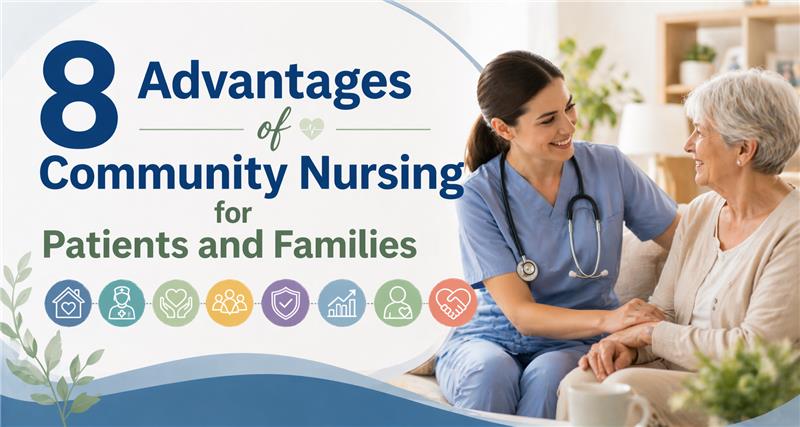
Below are the 8 key advantages of community nursing for patients and families, explaining why this approach to care has become such an important part of the Australian healthcare system.
1. Improved access to healthcare through community nursing
One of the biggest advantages of community nursing is improved access to healthcare services. Many patients face difficulties travelling to hospitals due to mobility issues, distance, or lack of transport. Community nursing eliminates these barriers by bringing healthcare professionals directly to the patient’s home.
This ensures timely medical attention, regular health monitoring, and early detection of potential health issues. For individuals managing chronic conditions such as diabetes, heart disease, or respiratory illness, consistent access to home nursing care can significantly improve health outcomes.
Families also benefit as they no longer need to coordinate frequent hospital visits, reducing stress and logistical challenges.
2. Personalised care tailored to individual needs
Another major benefit of community nursing is the highly personalised approach to care. Unlike busy hospital environments where patients may receive standardised treatment, community nurses focus on individual care plans designed specifically for each patient.
This includes customised medication schedules, wound care routines, rehabilitation support, and lifestyle advice. Personalised in-home care ensures that patients receive attention that aligns with their medical conditions, personal preferences, and cultural needs.
This tailored approach not only improves recovery rates but also enhances patient satisfaction and trust in the healthcare system.
3. Reduced hospital admissions and faster recovery
Community nursing plays a crucial role in reducing unnecessary hospital admissions. With regular monitoring and early intervention, many health complications can be managed at home before they become serious enough to require hospitalisation.
For patients recovering from surgery or illness, receiving professional post-hospital care at home often leads to faster recovery. Being in a familiar environment reduces stress, promotes rest, and improves emotional wellbeing—all of which contribute to better healing.
Hospitals also benefit from reduced patient loads, allowing healthcare systems to focus resources on critical cases.
4. Emotional and psychological support for families
Healthcare is not just about physical treatment; emotional wellbeing is equally important. Community nursing provides essential emotional support not only to patients but also to their families and carers.
Caring for a loved one with illness or disability can be overwhelming. Community nurses offer guidance, reassurance, and education to help families understand medical conditions and caregiving responsibilities.
This support reduces anxiety and builds confidence among family members, ensuring they feel more capable in their caregiving role. It also strengthens family relationships by reducing the pressure associated with long-term care.
5. Enhanced independence and dignity for patients
Maintaining independence is important for a person’s mental and emotional health. One of the strongest advantages of community nursing is that it allows individuals to remain in their own homes while receiving necessary medical support.
This is especially beneficial for elderly patients and those requiring aged care support or disability support services. Instead of relocating to a facility, patients can continue living in familiar surroundings, maintaining routines and independence.
Community nurses assist with daily health needs while encouraging patients to stay as active and self-reliant as possible, preserving dignity and quality of life.
6. Better chronic disease management
Managing long-term health conditions requires consistent monitoring and professional care. Community nursing provides structured support for patients dealing with chronic illnesses such as diabetes, hypertension, arthritis, and cardiovascular disease.
Nurses regularly check vital signs, manage medications, and educate patients on lifestyle changes that improve long-term health outcomes. This proactive approach helps prevent complications and reduces emergency hospital visits.
Effective primary healthcare support in the community ensures patients maintain better control over their conditions, leading to improved overall wellbeing.
7. Cost-effective healthcare solution for families
Healthcare costs can become a significant burden for many families. Community nursing offers a more affordable alternative to extended hospital stays or frequent clinic visits.
By providing care at home, families can reduce expenses related to transportation, hospital accommodation, and long-term facility care. In many cases, nursing services at home also reduce the need for emergency interventions, further lowering healthcare costs.
This cost-effectiveness makes community nursing an attractive option for families seeking high-quality yet affordable healthcare solutions.
8. Continuity of care and professional monitoring
Consistency in healthcare is essential for achieving positive outcomes. With community nursing, patients benefit from continuous care delivered by trained professionals who understand their medical history and ongoing needs.
This continuity ensures that any changes in a patient’s condition are quickly identified and addressed. Regular visits from community nurses also improve communication between patients, families, and other healthcare providers.
As part of a coordinated healthcare system, community nursing ensures that patients receive seamless support across all stages of their treatment journey.
Final Thoughts
In conclusion, community nursing offers a comprehensive, compassionate, and practical approach to healthcare that benefits both patients and families. From improved access and personalised care to emotional support and cost savings, its advantages are wide-ranging and impactful.
By enabling individuals to receive professional medical attention in the comfort of their own homes, community nursing supports independence, dignity, and long-term wellbeing.
For families seeking trusted and professional support, Actually For Care provides reliable community-based healthcare solutions designed to meet diverse needs with compassion and expertise.
If you are looking for quality support services, you can also visit our contact page to learn more or request assistance today.
Frequently Asked Questions (FAQs)
What is community nursing and how does it work?
Community nursing is a healthcare service where qualified nurses provide medical care to patients in their homes or local communities. It includes wound care, medication management, chronic disease monitoring, and post-hospital recovery support.
Who can benefit from community nursing services?
People of all ages can benefit, especially elderly individuals, patients recovering from surgery, people with disabilities, and those managing long-term chronic conditions.
Is community nursing the same as home care?
While both involve care at home, community nursing focuses specifically on clinical and medical services provided by registered nurses, whereas home care may include personal assistance with daily activities.
How does community nursing help families?
It reduces caregiver stress, provides professional guidance, ensures patient safety, and offers emotional support to families managing long-term care responsibilities.